Veronica Woodruff
SLRD Area C Candidate
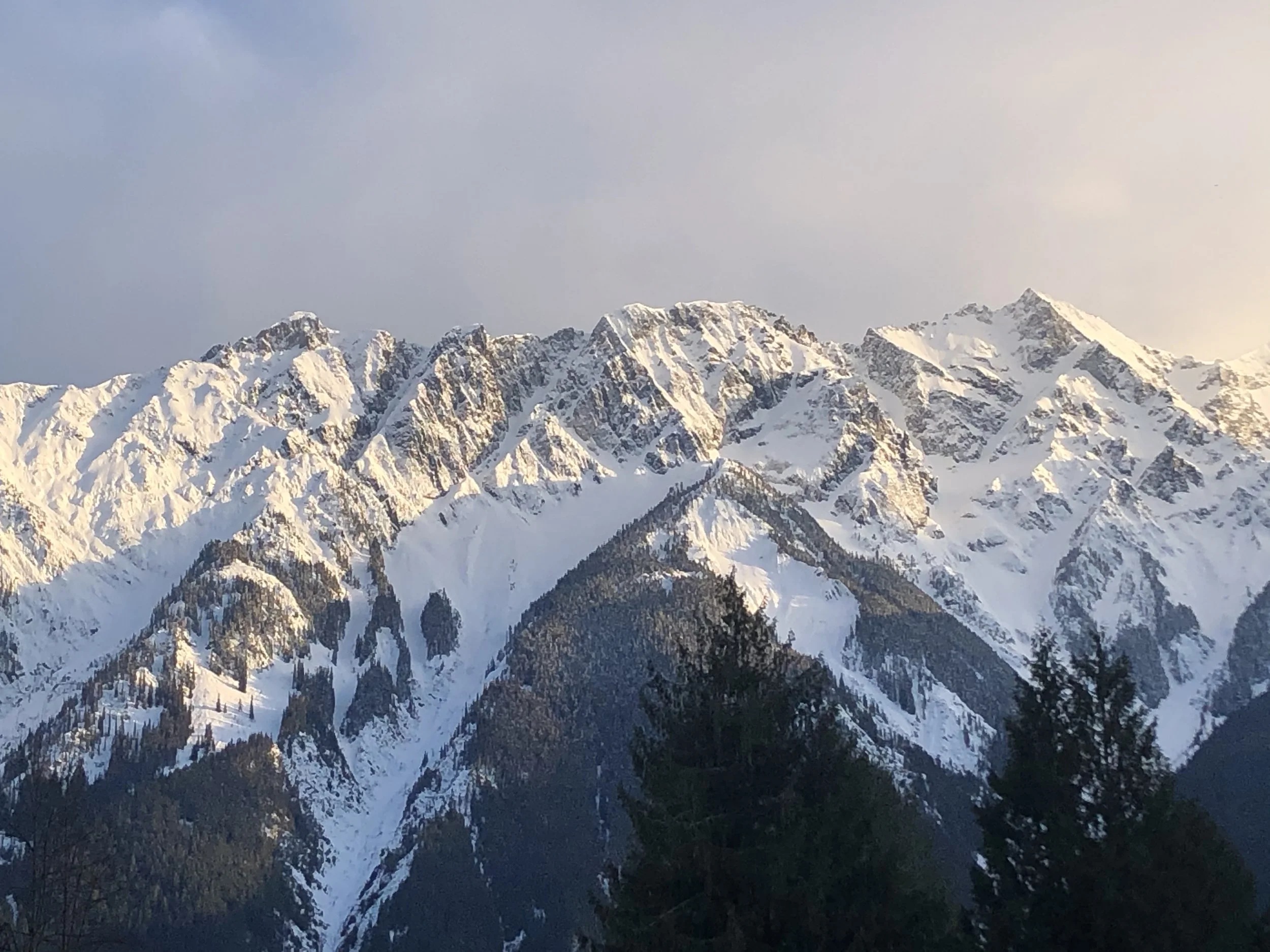
I moved to Whistler in 1996 and to the Pemberton region in 2000, and this is home.
I live here, on Líl̓wat Nation Territory, with my husband, our 17-year-old daughter and two dogs.
Over the years, I’ve worked with local governments, non-profit organizations, consulting firms and businesses, and have built several ventures of my own.
I’ve spent my career working with people to turn good ideas into meaningful action.
Why Now?
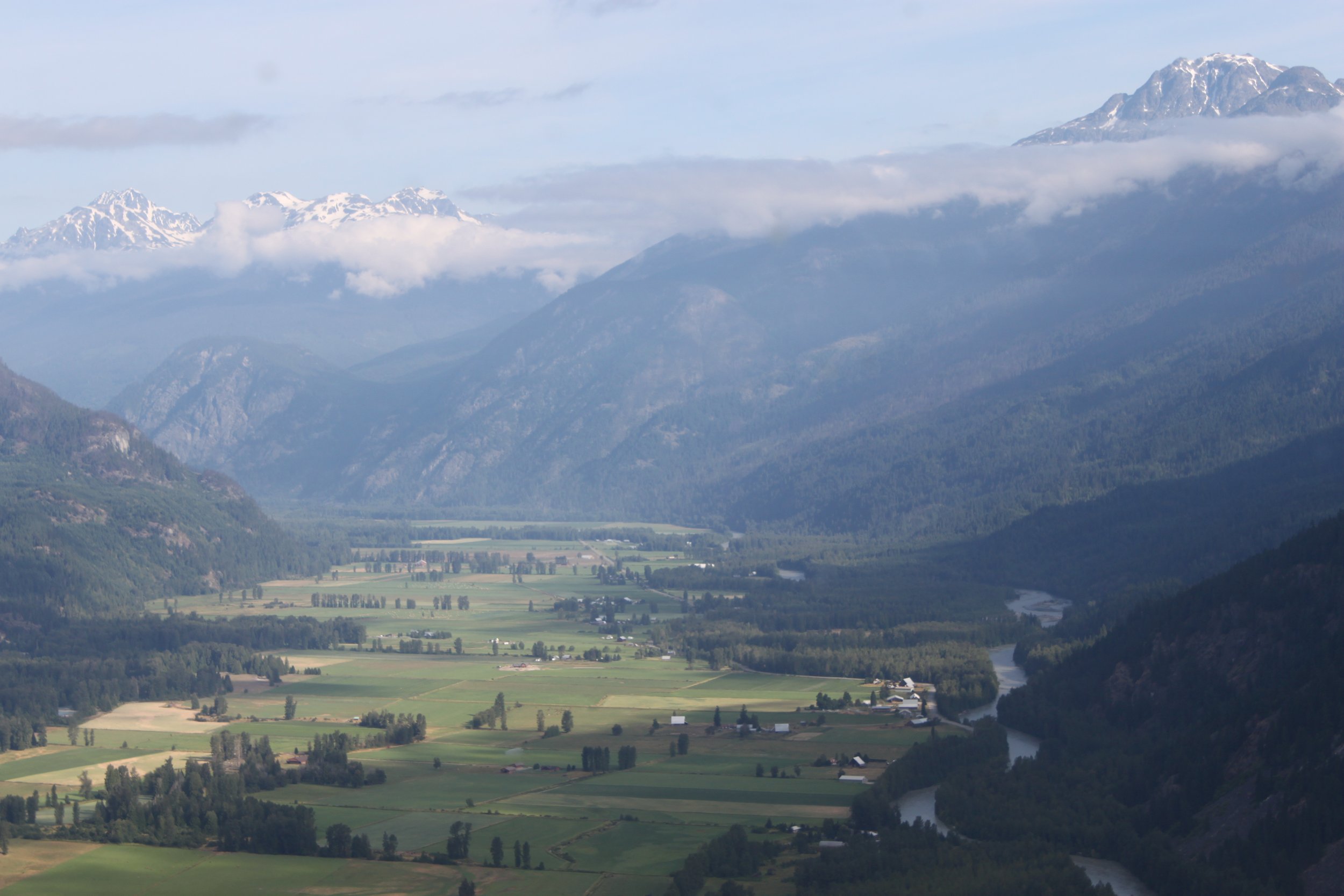
I’ve had a full and busy career. Most recently, I completed my Master’s degree and sold my share of a corporation I co-founded. While I still work on some local projects, I now mainly work part-time as the Emergency Manager for Nazko First Nation, teach one course in ecosystem management at BCIT each winter and volunteer with the Pemberton Wildlife Association and Stewardship Pemberton Society. For the first time in my career, I have the space to consider how I can bring the experience I’ve gained over the years to issues closer to home.
I have the time, experience, motivation and commitment to invest in the future of Area C. My work in environmental assessment, monitoring, planning, community development, emergency management, grant writing and collaboration with diverse organizations has given me a broad set of tools that I believe can contribute to our community.
The timing feels right. I’m ready to put my experience to work for the place I call home.
My Values
Nature
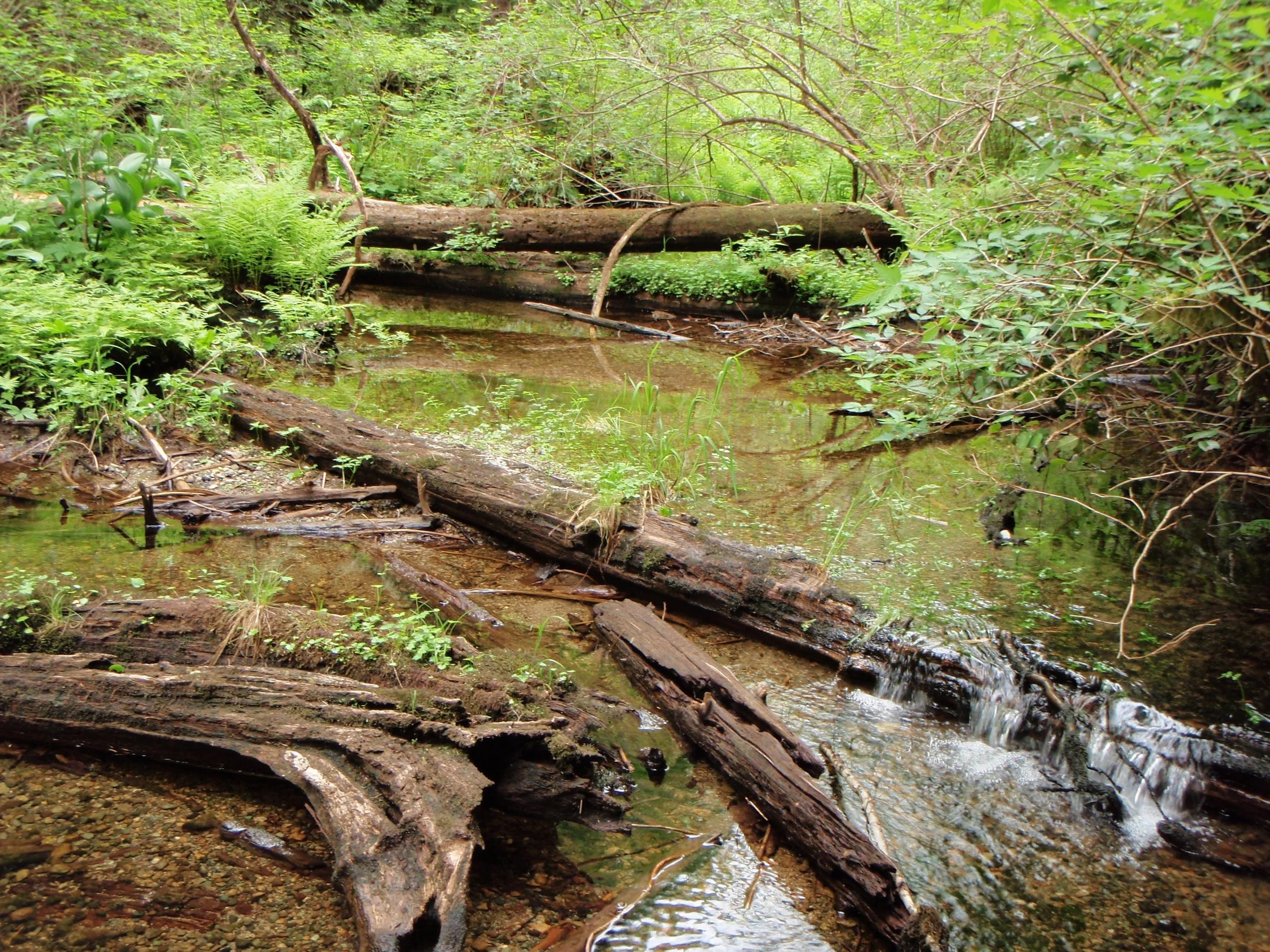
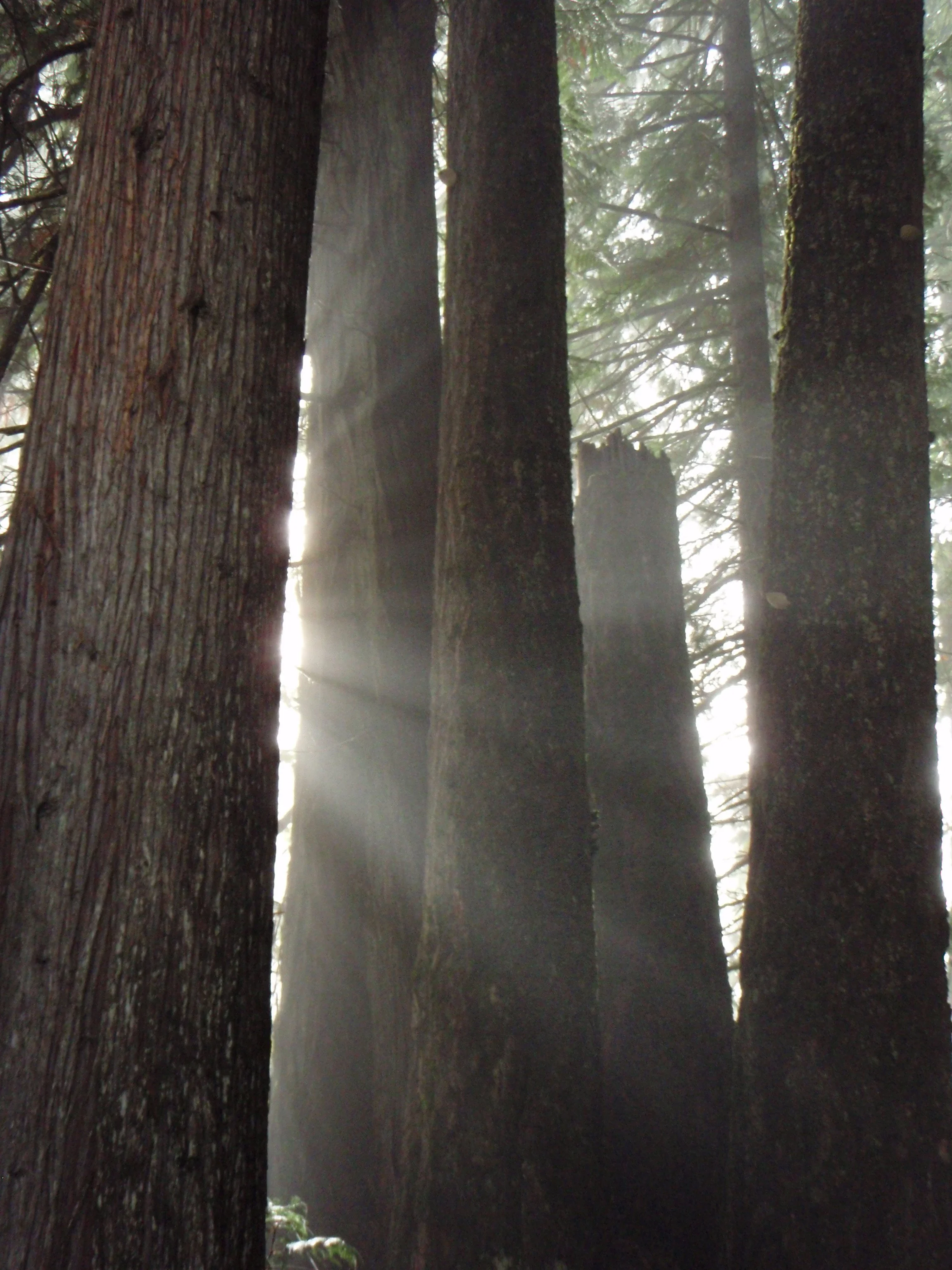
In the same way that some people find meaning and transcendence through faith, I find it in nature. It is the heart-stopping beauty of a sunbeam falling across the greenest moss, and the awe I feel watching a landscape-scale process unfold. I appreciate the sense of smallness in the landscape that can be both humbling and grounding.
Fairness
I like rules. From a systems-thinking lens, rules create a structure for seeing what is in scope and out, how relationships align, and how different perspectives influence decision-making. An agreed-upon set of rules, like charters, regulations, policies and laws, creates a fair starting place for conversations. It gives everyone a shared framework to work from, while still leaving room to question, adapt and improve the system.
Adventure
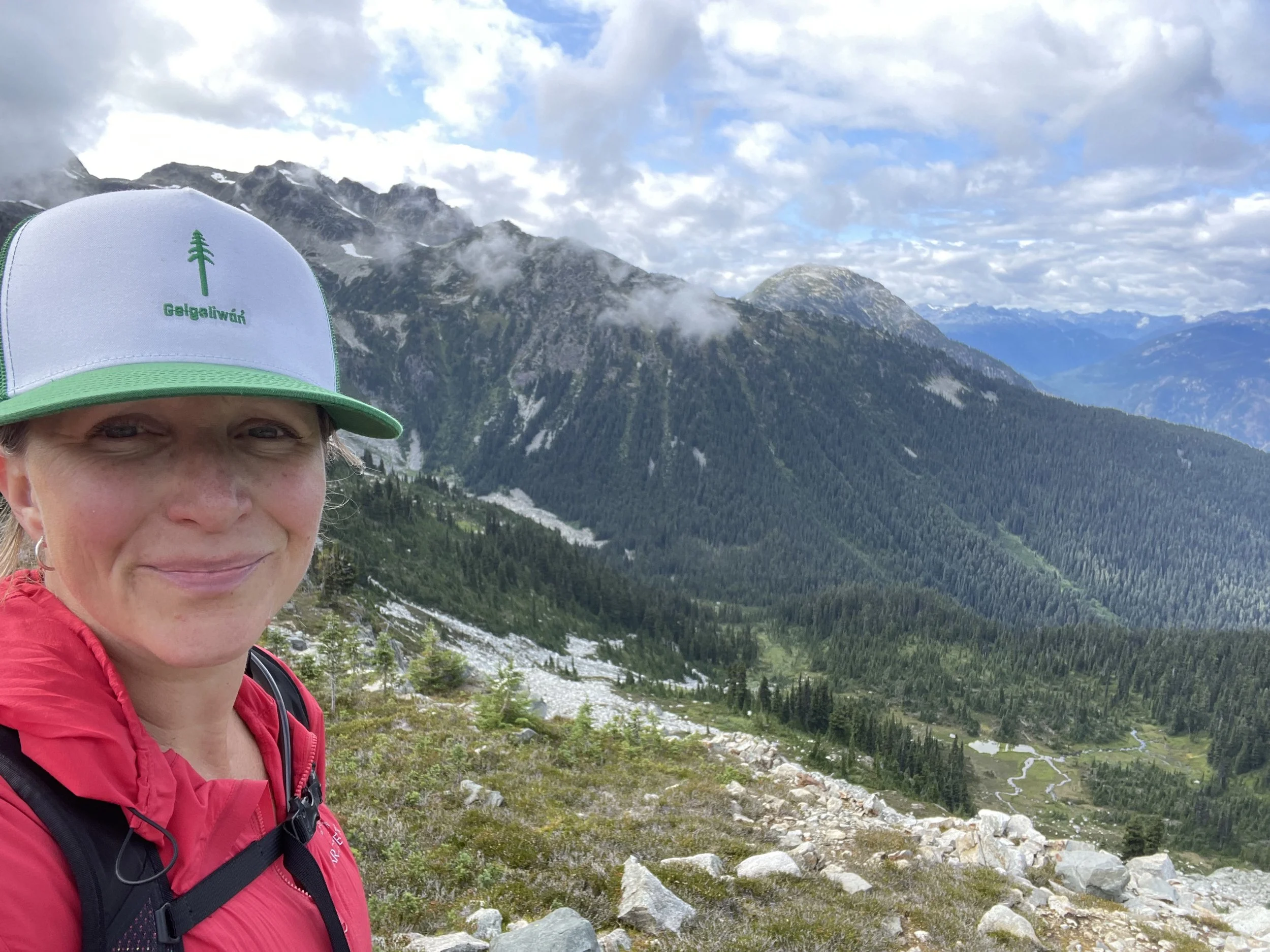
I love a literal adventure: mountains, forests, oceans and rivers. But I also love an adventure in collaboration, where there is some risk and uncertainty but the real possibility of a great reward. I believe the best things often happen when people are willing to try something new together and see where it takes them.
Ten years ago, I would have said sustainability was my most important priority, linking environment, economy and the social framework. It was the overarching value in my professional work in environmental stewardship, resource development and education. Today, I see preparing for and managing a changing disaster landscape, whether fires, floods, landslides or drought, as one of our most important tasks moving forward. Afterall, every sector is tied to a functioning ecosystem
Ruggedization is a word coined by Alex Steffen, and it resonated with me so much that I wrote an entire Master’s thesis on the concept, focused on flood risk in Pemberton. Steffen defines ruggedization as the “process of turning the need to make systems durable, in the face of unprecedented and often unforeseeable threats, into a force for transformation.” Rather than simply adding protective measures to existing systems that are becoming increasingly vulnerable, ruggedization asks us to commit to strengthening a more robust structure enabling collective action.
That way of thinking feels particularly relevant here. We live in complex times, with layers of interconnectedness among communities, ecosystems and economies. The pathway to greater resilience is not always clear. And the SLRD is only one governing agency among many.
That is where collaboration becomes essential.
I have worked in local government, non-profit organizations, consulting, entrepreneurship and academia. Some of the most meaningful things I have accomplished have come through effective partnerships: thousands of square meters of habitat restoration, tens of millions of dollars in funding invested in our communities, physical amenities such as the One Mile Lake Nature Centre, and collaborative tables that bring people and organizations together to make decisions.
I understand the frustration of jurisdictional silos. I also know that good work can happen when we find ways through them.
The challenges ahead will require the SLRD to work with Indigenous communities, other levels of government, local organizations, businesses and residents. We need to be willing to think differently, build stronger systems and work together across boundaries.
I believe I am the right person, at the right time, to bring that approach to Area C.
My priorities are in ruggedization & effective collaboration